Female Hair Loss: Causes and Treatments Available in the UAE
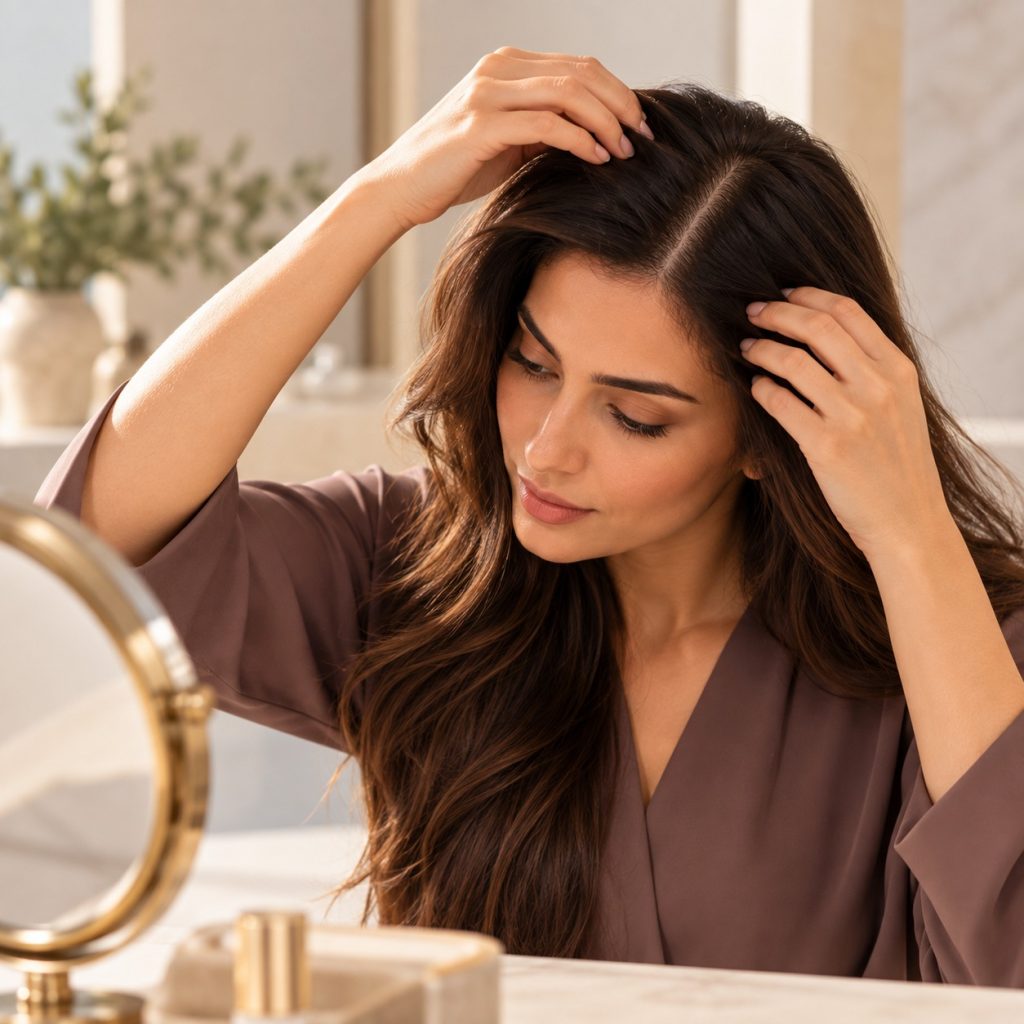
If you’ve noticed more hair on your brush or a wider parting than before, you’re far from alone. Hair thinning affects a significant proportion of women, yet it’s often experienced quietly because it can feel personal or difficult to talk about. There’s nothing to be embarrassed about, and in most cases, there’s a great deal that can be done.
Importantly, female pattern hair loss looks and behaves differently from male pattern baldness. Rather than a receding hairline, women tend to notice gradual, diffuse thinning across the crown. The causes are often different too, which is why a woman-specific approach matters.
At Tajmeel Abu Dhabi, our dermatology team takes time to understand what’s really behind your hair changes before recommending anything. In this guide, we’ll explain the common causes, when it’s worth seeing a specialist, and the treatments available, from regenerative therapies to lifestyle adjustments.
Understanding Female Pattern Hair Loss
Understanding female pattern hair loss is the first step toward addressing it with confidence.
What is Female Pattern Hair Loss (Androgenetic Alopecia)?
This is the most common form of long-term thinning in women. It usually shows as diffuse thinning along the crown and part line, while the frontal hairline is often preserved.
How It Differs From Male Pattern Baldness
In men, hair loss tends to follow a recognisable pattern of a receding hairline and crown. In women, thinning is more spread out, the hormonal drivers differ, and complete baldness is uncommon.
The Ludwig Scale: How Severity Is Classified
Specialists often use the Ludwig scale to describe severity, from early widening of the part line through to more noticeable thinning. It’s a simple way to track changes over time.
Common Causes of Hair Loss in Women
Female hair loss causes are varied, and often more than one factor is at play.
Hormonal Changes: Pregnancy, Menopause, PCOS and Thyroid Conditions
Shifts during pregnancy, after childbirth, around menopause, or with conditions such as PCOS and thyroid imbalance can all trigger increased shedding or gradual thinning.
Nutritional Deficiencies
Low levels of iron, vitamin D, biotin or protein can affect hair growth, which is why simple blood tests are so useful.
Stress and Telogen Effluvium
A period of acute stress, illness, or surgery can push many follicles into a shedding phase at once, a condition known as telogen effluvium. Reassuringly, this is often temporary.
Genetics and Family History
A family history of thinning can increase your risk of experiencing it yourself, sometimes at a younger age.
Hairstyling Practices and Traction Alopecia
Tight ponytails, braids, extensions and frequent heat styling can place repeated tension on the follicles, leading to traction-related thinning over time.
Climate and Lifestyle Factors in the UAE
Heat and humidity, hard water, sun exposure, and daily styling habits can all affect scalp and hair health among women in the region.
When to See a Specialist About Hair Loss
Signs Your Hair Loss Needs Professional Attention
It’s worth booking an assessment if you notice sudden or heavy shedding, a visibly thinner scalp, patchy loss, or thinning alongside scalp irritation or discomfort.
Diagnostic Tests Used to Identify the Cause
A proper assessment may include a scalp analysis, trichoscopy to examine the follicles closely, and blood tests for hormones, iron and thyroid function.
Effective Female Hair Loss Treatments Available in the UAE
There’s no single best hair loss treatment for female thinning; the right plan depends on your diagnosis. These are among the most effective options we offer.
Mesotherapy for Hair Regrowth
Mesotherapy delivers micro-injections of vitamins and growth factors directly into the scalp to nourish and stimulate the follicles.
Exosome Hair Therapy
Exosome therapy is a regenerative treatment that supports follicle health and can help improve hair density over time.
Stem Cell Therapy for Hair
Stem cell therapy is an advanced regenerative option aimed at reactivating dormant follicles and encouraging new growth.
PRP (Platelet-Rich Plasma) Therapy
PRP uses growth factors from a small sample of your own blood to support the natural hair growth cycle and strengthen existing hair.
Peptide Therapy for Scalp and Hair Health
Peptide therapy is a supportive treatment that can complement regenerative options and nurture overall scalp health.
Topical and Medical Treatments
Topical minoxidil and targeted supplements may be recommended as first-line or supportive options, depending on the cause.
What to Expect From Hair Loss Treatment at Tajmeel Abu Dhabi
Personalized Diagnosis and Scalp Assessment
Everything begins with understanding your individual situation through a thorough scalp assessment and, where helpful, diagnostic tests.
Combination Treatment Plans
Results are often strongest when treatments are thoughtfully combined, such as mesotherapy alongside peptide therapy, based on your diagnosis.
Realistic Timelines for Regrowth
Because hair grows in cycles, visible improvement typically takes several months, and we’ll set honest expectations early on.
Preventive Tips to Protect Your Hair Health
Gentle Scalp Care and Styling Habits
Loosen tight hairstyles, limit heat styling and treat your scalp gently to ease tension on the follicles.
Nutrition for Healthy Hair Growth
A balanced diet with enough iron, protein and vitamins supports stronger, healthier hair.
Managing Stress and Underlying Health Conditions
Addressing stress, sleep, and any underlying health conditions can make a real difference to how your hair behaves.
Book a Hair Loss Consultation at Tajmeel Abu Dhabi to understand the cause and options.
FAQs
Many causes are treatable or reversible, especially when the underlying trigger, whether hormonal, nutritional or stress-related, is identified and addressed early.
There’s no single best treatment; options like mesotherapy, exosome therapy, stem cell therapy and PRP are chosen based on the cause and severity, ideally after a professional scalp assessment.
Yes, in many cases, once the hormonal imbalance is addressed, regenerative treatments can support and accelerate regrowth.
Most people notice visible improvement within three to six months, as hair growth follows a natural cycle.
Both can be effective; the right choice depends on your diagnosis, and the two are sometimes combined for enhanced results.
Wearing a hijab itself doesn’t cause hair loss, but tight styling underneath, reduced airflow in humid weather, or friction can contribute to thinning for some women. Gentle styling and good scalp hygiene help prevent this.