Melasma Treatment in Abu Dhabi: Causes, Options and Prevention
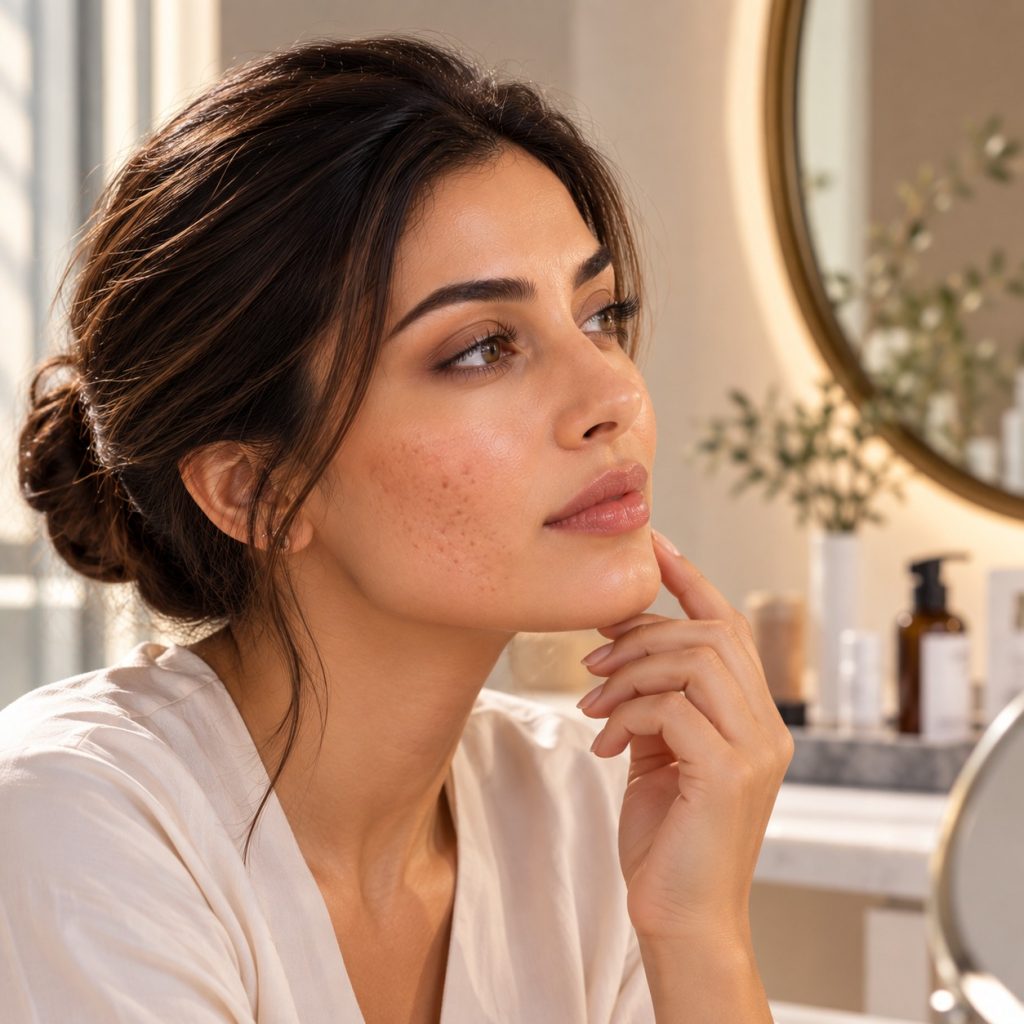
It usually begins as something you only notice in certain lights. A shadow across the cheeks, a patch above the lip, or a darker area on the forehead that seems to deepen after a summer spent between the car, the office and the school run. Concealer covers it for a while, then stops keeping up. This kind of pigmentation is often melasma, and it behaves differently from the sunspots most people expect.
Tajmeel Abu Dhabi is a dermatology and dental destination under Burjeel Holdings, with expert-led teams at Al Dar HQ, Al Karamah and Shahama (Kidspark). Our dermatology team plans pigmentation treatment around your skin tone, triggers, and history rather than a single standard protocol. Let’s look at what melasma is, why it is so common here, what treatment options exist, how long improvement realistically takes, and what helps keep it settled.
What Is Melasma?
Melasma is a form of pigmentation that appears as symmetrical brown or greyish patches, most often on the cheeks, forehead, and upper lip. It develops when pigment-producing cells become overactive, influenced by sunlight, heat, hormones, and genetics.
How It Differs from Other Pigmentation
Sunspots tend to be small, scattered, and clearly defined. Post-inflammatory pigmentation follows a specific event such as a spot or a scratch. Melasma is broader and more changeable, often fading slightly in cooler months and returning in summer.
Who Is Most Affected
It is more common in women, people with medium to deep skin tones, and during periods of hormonal change. Many people first notice it during pregnancy or after starting a hormonal contraceptive.
What Causes Melasma?
Melasma can develop when pigment-producing cells in the skin become overactive, leading to darker patches, especially on the face. Several factors can contribute, including sun exposure, hormonal changes, and genetic predisposition.
- Sun exposure: Ultraviolet light is the strongest trigger, and in Abu Dhabi, exposure accumulates in short, unremarkable moments – walking to the car, sitting near a window, waiting outside a school gate.
- Heat and visible light: Melasma also responds to heat and visible light, including daylight through glass. This is why pigmentation can persist even when someone avoids direct sun.
- Hormonal changes: Pregnancy, contraceptives and hormone treatments can all set melasma in motion or make existing patches more prominent.
- Genetics and skin type: A family history makes melasma more likely, and skin that tans easily tend to pigment more readily in response to any trigger.
Melasma Treatment Options in Abu Dhabi
Melasma treatment in Abu Dhabi, such as in Tajmeel Clinic, begins with a personalized assessment of your skin type, pigmentation, and underlying concerns. The dermatology team may recommend options such as chemical peels, laser therapies, microneedling or skin boosters, depending on your individual needs.
- Topical treatments: Dermatologist-selected active ingredients help slow pigment production and encourage brighter, more even-looking skin. These form the foundation of most plans and continue alongside in-clinic treatment.
- Chemical peels: Carefully chosen peels can gradually lift surface pigmentation, with strength and frequency adjusted to skin tone, as an overly aggressive approach can worsen pigmentation.
- Laser treatments: Q-switched laser treatments such as Hollywood Spectra target pigment with low-energy settings across a course of sessions. Settings must be individualized, particularly for deeper skin tones.
- Maintenance treatments: Hydrating facial treatments such as HydraFacial support skin comfort and barrier health between sessions, rather than treating pigmentation directly.
- Mesotherapy & Skin Boosters: Control Melanin Production.
Deeper skin tones carry a higher risk of pigmentation being triggered by treatment itself. Heat, over-treatment or unsuitable device settings can leave skin darker than before, which is why an assessment with a dermatologist experienced in Middle Eastern skin matters so much here.
How Long Does Treatment Take to Work?
Visible improvement usually takes weeks, not days, and most plans run over several months with regular reviews. Results vary between individuals, depending on how deep the pigment sits and how consistent daily sun protection is. It also helps to understand that melasma is a long-term, manageable condition rather than something cured once. Patches can settle considerably and then return after a summer holiday or a hormonal change. Ongoing maintenance is part of the plan, not a sign that treatment failed.
Preventing Flare-Ups
Daily broad-spectrum SPF is the most useful habit; apply it every morning and reapply throughout the day. Tinted formulas containing iron oxides add protection from visible light, and hats, sunglasses and shade all help. Where possible, reduce direct heat exposure and keep skincare gentle, avoiding scrubbing, which can leave further pigmentation behind. If a hormonal trigger is suspected, discuss alternatives with your doctor rather than stopping anything independently.
Choosing the Right Dermatology Team
Melasma rewards patience and consistency. At Tajmeel Abu Dhabi, dermatology consultations focus on identifying your triggers, assessing how deep the pigmentation sits and building a plan that combines home care with suitable in-clinic treatment, adjusted as your skin responds. We explain options and costs clearly beforehand. Melasma can feel discouraged, particularly when it returns. With the right plan and steady sun protection, it can become far less noticeable and much easier to live with.
FAQs
It can be significantly improved and managed, but it is considered a long-term condition that may need ongoing maintenance.
There is no single answer. A combination of sun protection, topical treatments and in-clinic options such as peels or laser, tailored to the individual, tends to work best.
Pregnancy-related melasma sometimes fades once hormones settle. Many cases need targeted treatment and consistent sun protection.
Intense sun and sustained heat are significant triggers, particularly for those with a genetic predisposition or hormonal changes.
No. Sun exposure is a major trigger, but melasma is a distinct, hormonally influenced condition rather than simple sunspots.